

Toyota Camry Reliability: How Long Do They Actually Last?
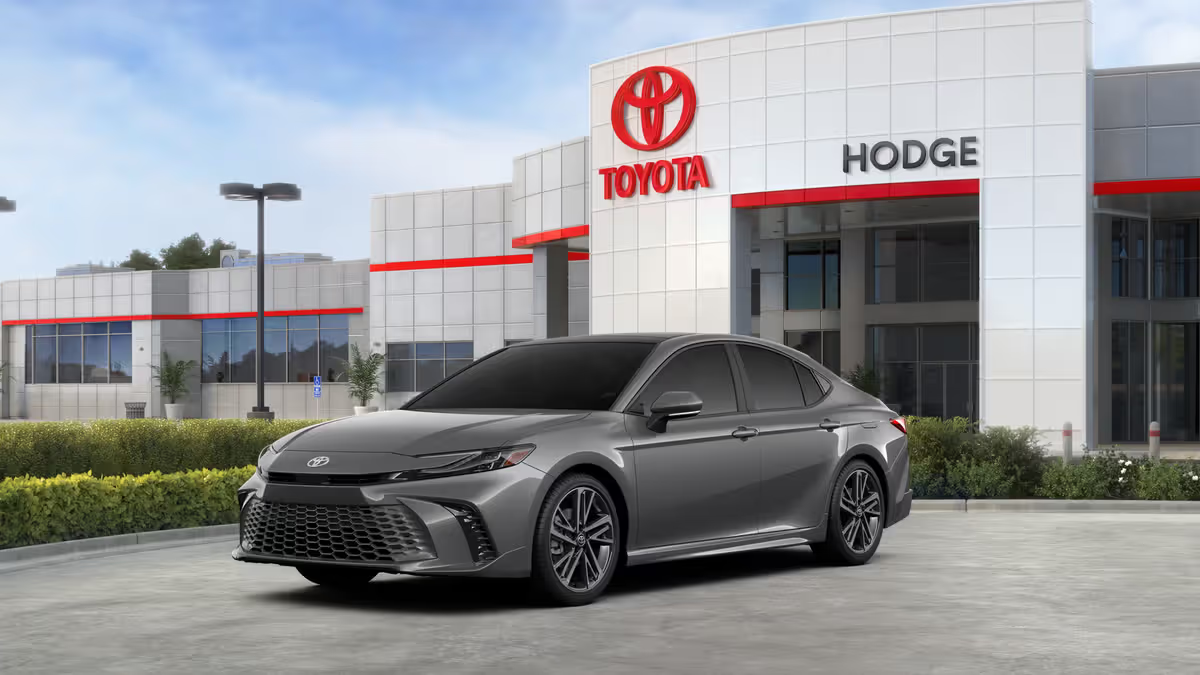
Shoppers always ask me about Toyota Camry reliability, expecting every single one to run forever. But that legendary reputation actually has a few blind spots. A handful of older model years have real, expensive problems that used buyers need to dodge.
We are going to break down the exact ratings, realistic lifespan expectations, and crucial year-by-year differences. I will cover known engine and transmission problems, typical repair costs, and the new hybrid-only generation.
If you just want the fast facts before digging into the details, here is the short version.
Quick Summary
Buyers always ask if it’s dependable and exactly how long does a Toyota Camry last. Many well-maintained cars easily hit 200,000 miles. The sedan consistently earns above-average Toyota Camry reliability ratings. Just watch out for the 2007-2011 four-cylinders burning oil. And early 2018-2019 models drew some complaints over harsh transmission shifting and infotainment lag.
Key Takeaways
- Camry earns strong ratings from CR, J.D. Power, and RepairPal.
- Reaching 200,000+ miles is common with regular maintenance.
- The 2007-2011 four-cylinder engines suffered from known oil consumption issues.
- Early 2018-2019 launch models drew transmission shifting and infotainment complaints.
- All 2025 and newer Camrys are exclusively hybrid-only vehicles.
- Always check the specific VIN for open recalls before buying.
Toyota Camry Reliability Ratings: What the Major Sources Say
The major Toyota Camry reliability ratings consistently show above-average marks across Consumer Reports, J.D. Power, and RepairPal. But the newest generation is simply too fresh to have established long-term data yet.
| Source | What It Measures | What It Says About the Camry |
| Consumer Reports | Owner surveys on predicted reliability. | Toyota took the top spot in the 2026 brand ranking. CR rated the redesigned 2025 Camry average, then moved the 2026 model to above-average and ranked it top among midsize sedans. |
| J.D. Power | Problems in three-year-old vehicles (2026 Vehicle Dependability Study). | Named the 8th-gen Camry the most dependable midsize car. It was the only midsize sedan at or above average in the 2026 report. |
| RepairPal | Actual shop invoices and repair frequency. | Rates it roughly 4.0 to 4.5 out of 5 (Excellent). Severe repairs represent about 8% to 11%, beating the 12% midsize average. (Note: Figures vary by data update.) |
These scores vary because they track entirely different things. CR surveys its members, J.D. Power grades three-year-old cars, and RepairPal aggregates actual shop invoices. But they all point the same way.
Sitting across the desk, I always remind buyers that broad numbers only mean so much. A highly rated year with ignored maintenance is a terrible buy. Ratings are just an average, so your specific car’s service history matters a lot more.
How Long Does a Toyota Camry Last?
When buyers ask exactly how long does a Toyota Camry last, the answer usually comes down to the previous owner. Well-maintained cars commonly reach 200,000+ miles without breaking a sweat. A 250,000 to 300,000-mile Toyota Camry lifespan is commonly cited by dealers and long-term owners. But that badge isn’t magic. Consistent upkeep matters way more than the brand name. And remember, these are commonly cited ranges, not ironclad guarantees.
| Mileage Stage | What to Expect | What to Focus On |
| Under 100,000 | Mostly routine wear items like tires and brake pads. | Sticking strictly to the factory maintenance schedule. |
| 100,000 – 150,000 | Minor wear begins. Belts or water pumps might age out. | Inspecting suspension parts and doing fluid flushes. |
| 150,000 – 200,000 | Alternators, starters, or sensors may need replacement. | Watching for leaks and addressing weird noises early. |
| 200,000+ | Wear on major original components. | Diligent oil checks and proactive care of aging seals. |
What stretches a Camry’s life:
- Never skipping on-time oil changes.
- Completing fluid service per the factory schedule.
- Fixing small leaks early before they escalate.
- Keeping solid service records to track maintenance.
Toyota Camry Reliability by Year: Which Generations Stand Out
When looking at Toyota Camry reliability by year, you will quickly see that dependability changes wildly depending on the specific generation you buy. The 2007-2011 four-cylinder models and the early 2018-2019 launch years drew the most owner complaints by far.
| Years | Generation | What Owners Reported | Verdict |
| 2007-2011 | 6th Gen | Excessive oil consumption on the 2.4L four-cylinder. Melting dashboards and accelerator pedal recalls. | Inspect carefully. |
| 2012-2014 | 7th Gen (Early) | Some owners noted hesitation or shudder with the 6-speed automatic, though less consistently documented than older oil issues. | Test drive thoroughly. |
| 2015-2017 | 7th Gen (Late) | Complaints dropped significantly. Fewer documented mechanical faults. | Generally well regarded. |
| 2018-2019 | 8th Gen (Launch) | Delayed or harsh shifting from the new 8-speed automatic. Laggy infotainment screens. | Inspect carefully. |
| 2020-2024 | 8th Gen (Late) | Launch complaints faded away. Strong dependability marks across the board. | Generally well regarded. |
| 2025-present | 9th Gen | Redesigned and shifted to a hybrid-only powertrain. No gas-only option exists now. | Too new for long-term data. |
Years often recommended for used shoppers:
- Late 7th generation cars (2016-2017)
- Later 8th generation models (2020-2024)
Always run the VIN for open recalls at nhtsa.gov/recalls before buying.
People constantly ask me if a clean 2007 with a massive stack of service records is a safe bet. Honestly? It is still a real gamble. That oil burning problem is practically baked right into the engine’s original design. But a well-kept 2016 usually isn’t hiding any nasty surprises beneath the hood.
Toyota Camry Common Problems (and How Serious They Are)
The most documented Toyota Camry common problems are engine oil consumption on 2007-2011 four-cylinders and early shifting or infotainment complaints on 2018-2019 cars. Most Camrys on the road never actually experience these faults. But verify before buying.
Toyota Camry Engine Problems
The absolute worst of the Toyota Camry engine problems involves the 2007-2011 2.4L four-cylinder (2AZ-FE) rapidly burning oil. Toyota eventually issued a technical service bulletin and created a specific warranty enhancement program covering certain 2007-2009 models. Those extensions have largely expired. Fixing a severely affected engine block today requires serious cash. Owner-reported repair costs for this exact issue on CarComplaints.com averaged roughly $2,400 to $2,700. How do you protect yourself? Pull the dipstick immediately before taking a test drive. Scrutinize the car’s service records closely for strangely frequent oil top-offs. Complaints eased noticeably by 2010 and 2011, though the fault wasn’t completely eradicated until the generation ended. Fortunately, later engines simply do not share this expensive flaw.
Toyota Camry Transmission Problems
Toyota Camry transmission problems mostly center around two specific automatic gearboxes. The 8-speed automatic that debuted for the 2018 launch year drew immediate owner complaints about noticeably delayed or harsh shifting. Toyota quickly smoothed this out in subsequent model years. Older 2012-2014 models equipped with the 6-speed automatic also saw some owners report hesitation or a weird, unpredictable shuddering feeling. That fault is less consistently documented than the older oil burning defect. Shopping for a hybrid? Do not worry about gear hunting. Toyota hybrids use a robust eCVT built around a planetary gear set rather than a vulnerable physical belt.
Other things to know:
- 2007-2011 dashboards had reports of cracking and melting.
- An accelerator-pedal recall affects 2004-2010 cars (RepairPal’s most common recall).
- Early 2018-2019 cars drew infotainment lag complaints.
Toyota Camry Safety Ratings and Features
The Camry consistently earns top crash test scores from NHTSA and IIHS across multiple generations. But the active tech that actually prevents crashes changes drastically depending on the specific year you buy.
How Camry Safety Tech Evolved:
- 2007–2017: You get basic, solid crash protection (airbags and stability control).
- 2018–2020: Toyota Safety Sense (TSS-P) becomes standard on all trims. This adds auto-braking and adaptive cruise.
- 2021–2024: Upgrades to TSS 2.5+ for much better pedestrian and intersection detection.
- 2025-present: Features the newest TSS 3.0 system with smarter sensors.
I always tell parents buying a teen’s first car to stretch for a 2018 or newer model if possible. Steel protects you during a crash, but those standard cameras actually help prevent it.
The Hybrid-Only Camry (2025 and Newer): How Reliable Is It?
Every single Toyota Camry built from 2025 onward is exclusively a hybrid vehicle. Long-term reliability data on this completely redesigned generation remains limited, but early tracking signals look highly positive.
Consumer Reports initially rated the 2025 model as average on predicted reliability. They subsequently moved the 2026 Camry straight up to an above-average score.
These new sedans use Toyota’s proven eCVT setup. It’s built securely around a planetary gear set instead of a vulnerable traditional belt. Recent models carry a robust hybrid battery warranty covering 10 years or 150,000 miles. You should always verify that specific warranty coverage for your exact model year before buying.
But remember that first-year redesigns often hide early manufacturing quirks. So always run the car’s VIN to check for outstanding safety recalls or unperformed service campaigns.
Toyota Camry Maintenance Costs and Repair Costs
RepairPal puts annual Toyota Camry maintenance costs at roughly $330 to $390, sitting comfortably below the broader midsize car average. That number easily beats the typical $430 to $520 class average, while vastly undercutting the $590 overall vehicle baseline.
| Repair | Typical Range (RepairPal estimate) |
| Thermostat replacement | $354 – $449 |
| Radiator replacement | $815 – $1,054 |
| A/C compressor replacement | $1,235 – $1,637 |
| PCV valve replacement | $290 – $421 |
(Examples only; prices vary by location, model year and parts.)
Of course, those general figures assume entirely normal wear and tear. Actual Toyota Camry repair costs jump dramatically if you neglect basic preventative care or ignore glaring dashboard warning lights. Unscheduled repair visits for this sedan average well under one per year. Your personal driving habits play a massive role here too.
I always tell folks at the dealership that beating on the car daily simply guarantees higher shop bills later. Taking a little extra time for preventative upkeep saves serious cash down the road.
How to keep costs down:
- Follow the exact factory maintenance schedule religiously.
- Fix small mechanical issues early before they damage surrounding parts.
- Keep pristine service records to track exactly what needs doing next.
Is a High-Mileage Camry a Smart Buy?
A high-mileage Camry can actually be a smart buy if it’s backed by meticulously documented maintenance. But that dashboard number alone can’t tell you much about true Toyota Camry high mileage reliability.
- Ask the seller for comprehensive service records providing consistent upkeep.
- Run the vehicle’s VIN at nhtsa.gov to catch any open safety recalls.
- Check the oil level and condition, particularly on 2007-2011 four-cylinders.
- Test-drive the car hard enough to expose any transmission shifting hesitation.
- Pay an independent mechanic for a full pre-purchase inspection before signing.
I tell shoppers every single week to stop staring at the odometer. A well-documented 150,000-mile sedan often drives a whole lot better than a neglected model showing just 80,000 miles. Paperwork beats low miles every time.
Is the Toyota Camry Reliable? (Quick Answer)
The Toyota Camry consistently earns above-average reliability ratings across major automotive industry studies. Well-maintained models commonly last 200,000 miles or more without experiencing major mechanical failures. But used shoppers should heavily inspect 2007-2011 four-cylinder engines for known oil consumption issues. Early 2018-2019 launch models also need extra attention regarding rough transmission shifting complaints.
Getting a Camry Checked in Muskogee
Ultimately, a solid service history and a thorough hands-on inspection tell you far more than any broad reliability rating ever could. We see hundreds of these cars come through our shop bays here at James Hodge Toyota in Muskogee, Oklahoma.
Our team knows exactly where these older sedans tend to wear out first. We can easily evaluate a used car’s current maintenance needs, pull up the factory service schedule, and answer specific questions you might have about outstanding recalls.
You don’t have to guess about mechanical conditions before putting a vehicle in your driveway. Just call the service center directly at 918-986-7940 if you want us to take a look underneath one. And if you are still doing early research, our sales desk at 918-273-6883 can gladly talk you through different model years.
Conclusion
The Camry’s legendary reliability reputation is completely well earned. Most easily cross 200,000 miles with routine upkeep, though a few specific years demand extra inspection. Always base your purchase on solid service history and clean VIN checks, not just the odometer reading.
If you are eyeing a particular used Camry and want an honest opinion, our service team can help. Just call us to discuss its maintenance needs.
Frequently Asked Questions
Is the Toyota Camry a reliable car?
It consistently earns above-average reliability ratings from major automotive sources like Consumer Reports and J.D. Power. While most models deliver years of highly dependable driving, your specific car’s service history ultimately determines how reliable it will actually be over time.
How many miles can a Toyota Camry last?
Well-maintained Camrys commonly reach 200,000 miles without requiring major engine overhauls. Dealers and long-term owners frequently cite a lifespan of 250,000 to 300,000 miles. Hitting those high numbers strictly requires following the factory maintenance schedule and never skipping fluid changes.
What are the most common Toyota Camry problems?
The most widely documented issues are excessive engine oil consumption on the 2007-2011 four-cylinder models and rough automatic transmission shifting on early 2018-2019 cars. Older 2007-2011 vehicles also saw complaints regarding melting dashboards and an accelerator pedal safety recall.
Which Toyota Camry years should I be careful with?
Used shoppers should carefully inspect 2007-2011 four-cylinder models because of known oil burning problems. You should also thoroughly test drive 2018-2019 launch years for rough shifting. Always run the specific vehicle’s VIN online to check for outstanding safety recalls.
Is the 2026 hybrid Camry as reliable as older Camrys?
Long-term data remains limited because this redesigned generation recently launched. However, Consumer Reports already upgraded the 2026 model to above average predicted reliability. It uses Toyota’s proven eCVT hybrid system, giving us strong confidence it will match older models.
How much does Camry maintenance cost per year?
RepairPal estimates the average annual maintenance and repair cost for this vehicle sits between $330 and $390. That total runs significantly lower than the broader midsize car average, making it an incredibly affordable daily driver to keep on the road.
Disclaimer: Data on reliability, repair costs, and vehicle lifespan is for informational purposes only and based on third-party sources. Actual vehicle performance varies by maintenance history and driving habits. This guide is not a guarantee or warranty. Always get a professional inspection and check the VIN for open recalls before buying any used vehicle.
0 comment(s) so far on Toyota Camry Reliability: How Long Do They Actually Last?