

Flash Car Cleaner: What Is It and How Does It Help Your Car?
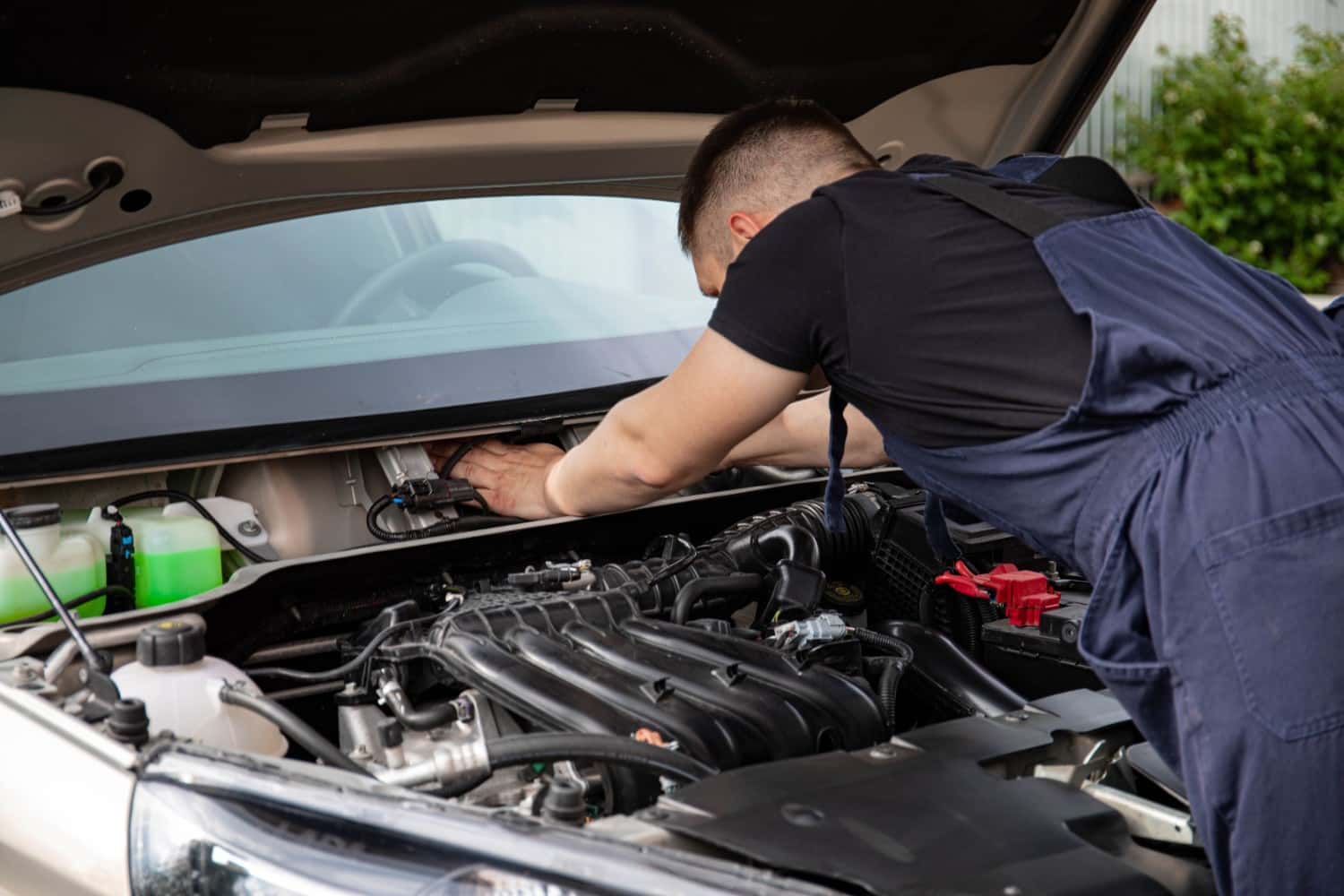
When you pop the hood and see years of baked-on oil and Oklahoma road grime, an automotive cleaner is your best friend. It’s a fast-acting spray or additive that melts that tough sludge away in minutes. Unlike standard wash soaps that only lift surface dirt from your clear coat, this specialized formula goes after heavy, baked-on deposits inside your fuel system and around critical engine parts. Think of it as a targeted deep-clean for components that deal with intense heat every day. If you drive a RAV4 or an older Camry through dusty Oklahoma county roads, that residue builds up faster than you’d expect.
Below, we break down what this chemical wash really does, how it works under the hood, step-by-step instructions for using it safely, and when it makes more sense to let a certified technician handle the job.
Quick Summary: A flash car cleaner is a rapid-acting chemical treatment that dissolves stubborn grease, oil sludge, and carbon deposits on contact. Formulated for quick application during routine car care, it penetrates tough grime without requiring prolonged soaking or aggressive scrubbing. We use it on exterior engine surfaces and fuel-system components to maintain proper mechanical efficiency and prevent performance-robbing buildup.
Key Takeaways
- Fast chemical breakdown: A flash car cleaner is an aggressive, quick-evaporating solvent designed to dissolve baked-on grime, oil residue, and carbon deposits on contact without extended soaking.
- Targeted cleaning areas: Depending on the formula, this automotive cleaner tackles distinct trouble spots: engine bay exteriors, internal fuel system components like intake valves, or heavy-duty grease build-up around mechanical linkages.
- Smart service intervals: We typically recommend that you treat your engine every 15,000 to 30,000 miles to keep your Toyota running perfectly.
- DIY vs. certified technician: Surface-level degreasing is a manageable driveway project, but pressurized fuel system flushes and hard-to-reach intake cleaning are best left to factory-trained technicians with dedicated service equipment.
- Noticeable performance payoff: Clearing out carbon and sludge restores proper airflow, improves throttle response, helps keep your fuel economy where it belongs, and extends the service life of sensitive electronic sensors.
What Is a Flash Car Cleaner?
A flash car cleaner is a high-potency chemical solution designed to break down baked-on grime, oil residue, and carbon deposits on contact. The name comes from its speed: rather than soaking a surface for an hour or scrubbing until your arms ache, the formula works almost instantly in a flash. It typically comes as an aerosol spray, high-cling foam, or concentrated fluid, each mixed to strip away contaminants that standard soaps will not touch.
A bucket of suds and a microfiber mitt work wonders on clear coats, but road film isn’t the problem here. Inside an engine compartment or fuel tract, heat turns oil vapor and unburned hydrocarbons into a tough, varnished crust. Regular soap rolls right off that stuff. A dedicated car engine cleaner penetrates that baked layer chemically, cutting through stubborn oil build-up, carbon crusting around intake runners, and sticky gunk clogging your fuel injectors.
Depending on the specific blend, you’ll see flash cleaners formulated for three distinct jobs:
- Engine bays: Heavy-duty degreasers that strip oil splatter and road silt off valve covers and metal brackets.
- Fuel systems: Rapid-action chemical detergents run through the intake or fuel rail to clear injector tips and carbon-fouled valves.
- Targeted interior spots: Fast-evaporating solvent sprays made to lift old petroleum-based stains or grease prints off hard surfaces without saturating the cabin.
How Does Flash Car Cleaner Work?
Think about trying to wash bacon grease out of a cast-iron skillet with cold water, it just doesn’t work. Engine grime is similar. These cleaners use targeted solvents to cut right through that baked-on oil so it can be easily wiped away. When you spray an exterior flash formula, those targeted solvents penetrate the molecular bonds binding the baked-on crust to metal and plastic surfaces.
Timing is everything during application. After spraying, you give the product a short dwell time, usually three to five minutes. This pause allows the chemicals to soften the hardened sludge without drying out or etching sensitive plastic harnesses. Once that dwell period wraps up, a controlled rinse or a clean microfiber wipe lifts the emulsified grime right off the component.
The process shifts slightly when you are treating internal engine parts. A dedicated fuel system cleaner takes an entirely internal route:
- Tank application: You pour the concentrated liquid directly into your gas tank before filling up, ensuring an even mix with the fuel.
- Active delivery: As your fuel pump delivers gas through the lines, the detergents travel directly into the injectors.
- Combustion cleaning: The fuel system cleaner sprays into the combustion chambers, breaking down sticky varnish on injector nozzles and dissolving hard carbon crusts off the intake valves as the engine runs.
Types of Flash and Car Cleaners: Which One Do You Need?
Grabbing the wrong bottle off the shelf can turn a routine clean-up into an expensive repair. Formulations vary drastically depending on whether they’re meant to dissolve baked-on motor oil or gently lift a coffee spill off fabric.
| Cleaner Type | What It Cleans | Best For | How Often to Use |
| Engine Bay/Flash Cleaner | Exterior oil sludge, baked grease, road silt | Metal blocks, valve covers, plastic brackets | Every 15,000 to 30,000 miles |
| Fuel System Cleaner | Carbon deposits, fuel varnish, gum | Fuel injectors, intake valves, piston tops | Every 3,000 to 5,000 miles |
| Interior/Upholstery Cleaner | Ground-in dirt, drink spills, body oils | Fabric seats, carpet mats, vinyl door cards | Monthly or as needed |
| Throttle Body Cleaner | Sticky varnish, carbon residue, intake oil | Throttle plates, intake throttle bores | Every 30,000 to 50,000 miles |
| Undercarriage/Degreaser | Road tar, dried mud, axle grease fling | Subframes, suspension links, skid plates | Twice a year (spring and fall) |
Matching the chemical potency to the surface is critical. Spraying a heavy-duty engine degreaser on your dashboard will bleach the plastic and eat right through seat stitching. On the flip side, a gentle interior cleaner won’t make a dent in three seasons of baked-on road grease under your hood.
Benefits of Using Flash Car Cleaner
Keeping critical mechanical components free of heavy deposits helps your vehicle run cooler, burn fuel more efficiently, and avoid expensive repairs down the road. It also strips away layers of baked-on road film so you can spot fluid leaks and cracked hoses before they strand you on the highway.
The mechanical cost of neglecting this grime is measurable. According to data from the U.S. Department of Energy at FuelEconomy.gov, addressing serious engine performance issues such as faulty oxygen sensors or fouled fuel delivery components can improve gas mileage by up to 40 percent. Even routine buildup on intake valves and injector tips creates spray pattern disruptions that quietly drag your efficiency down over time.
Regular chemical cleaning delivers practical advantages every time you turn the key:
- Restored fuel economy: Clean injector nozzles produce a crisp, conical spray mist, ensuring complete fuel combustion instead of dumping half-burned gas out your exhaust tailpipe.
- Targeted carbon removal: Breaking down crusty deposits on intake valves prevents sticky valve operation, rough cold starts, and persistent idle hesitation.
- Painless leak detection: A clean engine block makes a leaking valve cover gasket, weeping water pump, or cracked serpentine belt stand out immediately against bare metal.
- Protection for rubber and wiring: Road oil and abrasive silt degrade engine wiring harnesses, vacuum lines, and radiator hoses if left to bake under high under-hood temperatures.
- Higher trade-in valuation: Appraisers always pop the hood. An orderly, clean engine bay signals meticulous maintenance and commands stronger trade numbers on our lot.
How to Use Flash Car Cleaner: Step-by-Step
Learning how to use flash car cleaner correctly comes down to proper prep work and avoiding sensitive electrical gear. Follow the right sequence, and you will lift seasons of baked grime off your engine without risking a short circuit or an unexpected check engine light.
- Let the engine cool completely. Pop the hood and wait at least 30 to 45 minutes after driving. The metal should feel cool to the touch so chemicals don’t flash-dry or crack hot exhaust components.
- Shield vulnerable electrical parts. Cover the alternator, exposed fuse box, battery terminals, and aftermarket air intake filters using plastic grocery bags and painter’s tape.
- Dry-brush loose debris. Sweep away dead leaves, pine needles, and loose dirt from the cowl and corners using a stiff detailing brush or compressed air before introducing moisture.
- Apply the cleaner evenly. When using a flash cleaner for cars, begin spraying at the lower, dirtier sections of the block before moving upward over the valve covers and brackets.
- Allow proper dwell time. Let the active chemistry sit undisturbed for three to five minutes to penetrate crusty oil, but never let the solvent dry onto surfaces.
- Agitate heavy grease pockets. Use a soft-bristled detailing brush on stubborn sludge around oil caps, brackets, and hose clamps to break surface tension.
- Rinse with low pressure. Rinse gently using a standard garden hose nozzle on a wide shower setting. Never use a high-pressure washer, which forces water past weatherproof electrical seals.
- Dry thoroughly and idle. Pull off the plastic bags, dry accessible areas with old microfiber towels or a leaf blower, and idle the engine for five minutes so residual heat evaporates trapped moisture.
Essential Safety Tips
- Never spray a hot block: Cold chemicals hitting hot exhaust manifolds can warp metal or create hazardous, caustic chemical vapor.
- Keep high pressure away from harnesses: Direct blast water will penetrate sensitive sensor plugs, throttle position sensors, and coil packs.
- Work in open air: High-strength solvents off-gas quickly; set up in a wide driveway or well-ventilated garage space.
- Wear personal protection: Put on nitrile gloves and wrap-around eye protection to guard against back-spray while scrubbing tight crevices.
DIY Flash Cleaning vs. Professional Service: Which Should You Choose?
Tackling surface grime in your driveway is a great Saturday morning project, but deep chemical flushes require a different level of caution. Simple exterior engine bay degreasing is safe for a careful DIYer, while pressurized fuel system services and heavy sludge removal around sensitive wiring harnesses belong in a service bay.
Here is how the jobs divide up based on risk:
- Safe for DIY: Wiping down dirty plastic engine covers, brushing light dust off battery trays, spraying exterior degreaser onto open metal brackets, and pouring an over-the-counter fuel additive into your gas tank.
- Better left to a technician: Clearing carbon off intake valves, performing pressurized fuel rail flushes, cleaning electronic throttle bodies, and degreasing hybrid power split systems loaded with high-voltage orange cables.
One misplaced spray of water or solvent can short out a coil pack or foul a mass airflow sensor, leaving you with a dashboard full of warning lights. The service center at James Hodge Toyota handles complete fuel system cleaning and engine maintenance services using Toyota-approved detergents and dedicated flush equipment. Our factory-trained technicians know precisely where to clean without disturbing critical electronics.
If you prefer to skip the chemical fumes and protective bagging entirely, schedule a service visit with our team in Muskogee, and we will get your powertrain running smooth and clean.
How Often Should You Use a Flash Car Cleaner or Fuel System Cleaner?
Here at James Hodge Toyota, we usually tell our daily commuters that you only need a quick under-hood rinse every season or two, while fuel system cleaning follows a steady mileage interval. A good baseline is using a fuel system cleaner every 15,000 to 30,000 miles to keep injectors spraying cleanly, while treating the engine bay once or twice a year keeps heavy road dirt from settling in.
Your driving environment dictates how quickly deposits accumulate. Harsh conditions call for running a car maintenance cleaner sooner:
- Noticeable rough idle or hesitation: Hesitation during cold starts or stumbling at red lights usually points to carbon-crusted intake valves or dirty injector tips.
- A quiet drop in gas mileage: If your fuel gauge drops faster than usual on familiar commutes, restricted fuel spray patterns may be wasting gas.
- Severe driving patterns: Frequent short trips under five miles, constant stop-and-go traffic, and hot summer idling cause rapid carbon accumulation inside the engine.
- Preparing for a trade-in: An exterior degrease before pulling onto an appraisal lane creates an immediate impression of diligent mechanical upkeep.
- Seasonal prep: Cleaning away winter road salt in early spring or clearing out summer dust before winter protects delicate wiring and rubber hoses.
What Our Certified Techs See in the Service Bay
Out on our service drive, we see the aftereffects of tough Oklahoma driving every single week. A customer will pull in a Tacoma or a Highlander complaining of a sputtering idle or a sudden dip in fuel economy, and nine times out of ten, heavy injector buildup or carbon-crusted intake valves are the quiet culprits.
We also meet plenty of well-meaning DIYers who ran into trouble under the hood. The most common mishap? Grabbing an overly aggressive hardware-store degreaser or blasting a garden hose directly into an alternator, soaking mass airflow sensors and coil packs in the process. Those honest mistakes turn a quick afternoon clean-up into an unexpected diagnostic bill and a dashboard full of warning lights.
That is why our advisors take the time to walk you through exactly what your vehicle needs before turning a wrench. Toyota engines especially modern direct-injection and hybrid powertrains have precise tolerances and sensitive electronics. At James Hodge Toyota, our factory-trained technicians use only manufacturer-approved cleaners and specialized equipment engineered specifically for your powertrain, ensuring a thorough clean without risking delicate wiring or high-voltage components.
Whether you need a quick system check or a professional flush, our crew is ready to help you protect your investment.
Conclusion
Keeping your powertrain free of heavy carbon deposits and baked-on grime is one of the smartest ways to protect your vehicle’s performance over the long haul. While handling light exterior degreasing in your driveway is a straightforward weekend task, diving into pressurized fuel systems or working around intricate wiring harnesses takes precision and the right equipment. You don’t have to risk shorting out a sensor or wrestling with caustic chemicals on your own. If your engine is idling rough, lagging during acceleration, or overdue for a thorough under-hood clean, let our factory-trained technicians handle the heavy lifting. Give the James Hodge Toyota service department a call at 918-986-7940, or easily schedule your appointment online today. We’ll make sure your vehicle runs clean, smooth, and ready for every mile ahead.
Frequently Asked Questions
What does a flash car cleaner actually clean?
A flash car cleaner dissolves stubborn grease, oil sludge, and baked-on carbon deposits across engine components, fuel delivery parts, and mechanical linkages. While regular car wash soap only lifts surface dirt, this specialized formula penetrates heavy petroleum grime that accumulates around valve covers and intake tracts.
Is it safe to use flash car cleaner on a hot engine?
No, you should never apply flash car cleaner to a hot engine block or warm exhaust components. Spraying cool solvents onto hot metal can cause severe thermal shock, quickly flash-dry the chemicals into permanent stains, and release caustic fumes. Always let your engine cool down for 30 to 45 minutes before cleaning.
How is a fuel system cleaner different from an engine cleaner?
A fuel system cleaner works internally through your gasoline to clean injectors and valves, while an engine cleaner degreases external metal and plastic parts under the hood. You pour fuel additives directly into the gas tank to treat internal combustion paths, whereas engine cleaners are sprayed and rinsed on exterior surfaces.
Can I use flash car cleaner on my car’s interior?
No, you should never spray an exterior engine flash cleaner on interior upholstery, leather, or dashboard plastics. Heavy-duty degreasers contain aggressive solvents that will bleach trim panels, melt adhesives, and ruin delicate fabrics. Always choose a pH-balanced interior cleaner formulated specifically for cabin materials.
How often should I clean my engine bay?
Cleaning your engine bay once or twice a year is plenty for most daily drivers. A quick seasonal degrease in the spring clears away winter road salt and grime, while a fall touch-up keeps summer dust and leaves from packing into tight electrical corners.
Will using a car engine cleaner improve my fuel economy?
An external engine degreaser will not boost your gas mileage, but using an internal fuel system cleaner certainly can. Removing carbon build-up from dirty fuel injectors restores proper fuel atomization, preventing unburned gasoline from going to waste and helping your engine run at peak efficiency.
Can DIY engine cleaning damage my car?
Yes, careless DIY engine cleaning can damage your vehicle if water or harsh chemicals penetrate unsealed electrical connectors, fuse boxes, or coil packs. High-pressure water can easily bypass factory weather seals and cause misfires, which is why covering vulnerable components before spraying is critical.
Should I get my fuel system cleaned professionally or do it myself?
Pour-in fuel additives are great for routine DIY maintenance, but deep carbon clearing is best handled by a certified professional. Dealership technicians use specialized equipment that connects directly to the fuel rail, delivering pressurized solvent to clean intake valves and injectors far more thoroughly than tank-mix additives can.
0 comment(s) so far on Flash Car Cleaner: What Is It and How Does It Help Your Car?