

Toyota Highlander vs Grand Highlander: What’s the Difference?
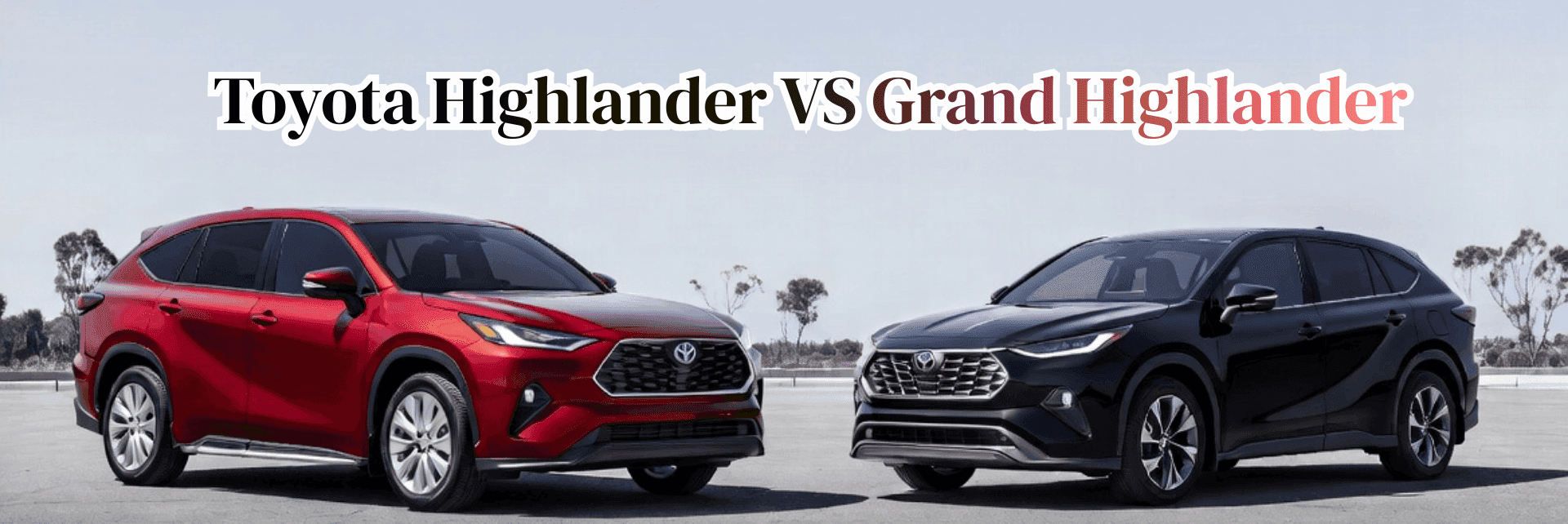
Picture yourself standing on our lot here at James Hodge Toyota in Muskogee, looking at two incredibly stylish, similarly named SUVs. They both wear the trusted Toyota badge, but they serve different family dynamics. The fundamental difference in the Highlander vs. Grand Highlander matchup comes down to space and third-row utility. The standard Highlander is a nimble, midsize crossover perfect for growing families who need occasional third-row seating, while the Grand Highlander is a stretched, longer-wheelbase SUV built to comfortably transport adults in all three rows every single day.
Choosing between them impacts your daily drive from Tulsa to Fort Smith, affecting how easily you park at the grocery store and how much luggage you can pack for weekend road trips. Let’s break down the quick facts so you can see which one aligns with your routine.
Quick Summary
- Size & Seating: The Grand Highlander is roughly 4 inches longer, offering true adult-friendly Highlander vs Grand Highlander seating in the third row.
- Cargo Capacity: Grand Highlander wins with 97.5 cubic feet of total cargo space versus the standard Highlander’s 84.3 cubic feet (confirm current-year specs with our team before you decide).
- Price & Purpose: The standard Highlander starts at a lower price point and fits smaller garages easily, while the Grand Highlander costs slightly more to deliver maximum cabin comfort.
Key Takeaways
- Exterior footprint: Comparing Highlander vs Grand Highlander dimensions reveals the Grand Highlander is 6.5 inches longer overall.
- Storage capacity: Reviewing the Highlander vs Grand Highlander cargo space shows the larger model adds 13 cubic feet.
- Third-row comfort: The Highlander vs Grand Highlander seating comparison favors the Grand model by 5.5 inches of rear legroom.
- Fuel economy: Evaluating Highlander vs Grand Highlander mpg shows the standard model wins by roughly one mile per gallon.
- Price variance: The Grand Highlander carries a higher base MSRP to account for its premium size and tech.
- Best fit: Select the standard Highlander for easier garage parking or the Grand Highlander for daily carpooling.
Toyota Highlander vs Grand Highlander: What’s the Core Difference?
While both models proudly represent the 3-row Toyota SUV lineup, they serve distinct roles for Oklahoman families. The standard Highlander is an established favorite, offering a highly maneuverable layout for drivers who prioritize fuel thriftiness and tight parking ability. The Grand Highlander is the newer, elongated sibling engineered specifically for shoppers who require a true daily-use third row and substantial cargo room for road trips. Navigating this family suv comparison means choosing between standard midsize agility and maximum interior capability.
| Feature | Toyota Highlander | Toyota Grand Highlander |
| Body Style | Midsize Crossover SUV | Stretched Midsize Crossover SUV |
| Seating Capacity | 7 to 8 passengers | 7 to 8 passengers |
| Best For | Growing families / Occasional 3rd row | Large families / Full-time adult 3rd row |
| Starting MSRP | Lower entry pricing (confirm with dealer) | Premium midsize pricing (confirm with dealer) |
| Fuel Options | Gas / Conventional Hybrid | Gas / Hybrid / Hybrid MAX |
| Intro / Design Cycle | Redesigned for 2020, refreshed since | Launched as an all-new model for 2024 |
At James Hodge Toyota, we find that parents with younger toddlers frequently lean toward the standard Highlander because it drives like a smaller car on the highway. However, if your household includes teenagers who play sports or you regularly commute with adult passengers, the Grand Highlander is almost always the model that wins out on our showroom floor.
Highlander vs Grand Highlander Dimensions & Specs
Understanding how these numbers shape your garage fit and on-road handling is essential before making a choice. Reviewing the Highlander vs Grand Highlander dimensions shows a notable footprint variance that impacts how both SUVs handle daily tasks. Let’s compare the official Toyota Highlander vs Grand Highlander specs to see exactly where that physical growth occurs.
| Spec | Highlander | Grand Highlander | Difference |
| Overall Length | 194.9 inches | 201.4 inches | Grand is 6.5 inches longer |
| Width | 76.0 inches | 78.3 inches | Grand is 2.3 inches wider |
| Height | 68.1 inches | 70.0 inches | Grand is 1.9 inches taller |
| Wheelbase | 112.2 inches | 116.1 inches | Grand is 3.9 inches longer |
| Ground Clearance | 8.0 inches | 8.0 inches | Identical ride clearance |
| Curb Weight (Base) | 4,165 lbs | 4,310 lbs | Grand is ~145 lbs heavier |
| Turning Radius | 18.7 feet | 19.0 feet | Highlander turns slightly tighter |
- Garage considerations: The standard Highlander fits seamlessly into traditional, tighter suburban garages, leaving you plenty of walking room around the rear liftgate.
- The wheelbase advantage: The Grand Highlander uses its extra 3.9 inches of wheelbase to eliminate structural intrusion into the rear entry doors, creating a much larger threshold for passengers stepping into the back seats.
- Muskogee driving feel: Driving through heavy Shawnee Bypass traffic is slightly simpler in the standard Highlander due to its narrower body and more compact turning footprint.
Highlander vs Grand Highlander Cargo Space
The Grand Highlander offers more cargo room than the Highlander, providing a generous 20.6 cubic feet behind the third row compared to the standard model’s 16.0 cubic feet. This capacity gap expands dramatically as you fold down the rear seatbacks, making the larger model the definitive winner for heavy haulers.
Let’s look closely at the exact Highlander vs Grand Highlander cargo space volume specifications across both platforms:
| Cargo Area | Highlander | Grand Highlander |
| Behind 3rd Row | 16.0 cubic feet | 20.6 cubic feet |
| Behind 2nd Row | 48.4 cubic feet | 57.9 cubic feet |
| Behind 1st Row (Max Cargo) | 84.3 cubic feet | 97.5 cubic feet |
To put these numbers into perspective, consider how both SUVs manage daily packing routines around Muskogee:
- Stroller + Groceries: With all rows upright, a large bulk shopping run paired with a folded umbrella stroller tightly packs the standard Highlander. The Grand Highlander easily swallows both, leaving extra clearance for loose shopping bags.
- Sports Gear: If you are loading large gear bags for tournament weekends in Tulsa, the standard Highlander requires folding down half of the third row. The Grand Highlander accommodates the gear while keeping all seating positions fully usable.
- Road Trip Luggage for 6: Packing for an extended drive to Fort Smith with six passengers pushes the standard model to its limit, necessitating a rooftop carrier. The Grand Highlander holds up to seven carry-on suitcases right in the rear trunk area.
To see the interior layouts up close, you can watch this quick Toyota Grand Highlander Cargo Demonstration, which shows how smoothly the rear seating rows fold flat to open up maximum storage.
Highlander vs Grand Highlander Seating & Interior
Both SUVs provide flexible Highlander vs Grand Highlander seating configurations, adjusting between seven-passenger setups with middle-row captain’s chairs or eight-passenger layouts using a folding second-row bench. Choosing between them depends on how old your children are and whether you regularly carry teen athletes or adult relatives. The standard cabin suits young families perfectly, while the spacious Highlander vs Grand Highlander interior upgrades comfort for larger squads.
The physical tape measure highlights the clear spacing differences across all three passenger rows:
| Row Space | Highlander (Headroom / Legroom) | Grand Highlander (Headroom / Legroom) |
| First Row | 41.2 inches / 42.0 inches | 41.5 inches / 41.7 inches |
| Second Row | 39.4 inches / 38.7 inches | 40.2 inches / 39.5 inches |
| Third Row | 36.1 inches / 28.0 inches | 37.2 inches / 33.5 inches |
Beyond simple measurements, daily cabin technology and layout differences shape how comfortable your passengers remain during long drives:
- Third-Row Accessibility: The Grand Highlander features an upright roof design and wider rear door shapes, meaning taller teens can easily slide into the back row without scraping their knees.
- Device Powering Options: While the standard Highlander houses up to five charging outlets, the Grand Highlander boasts seven standard USB-C ports spread thoughtfully across all three rows so everyone stays connected.
- Premium Seating Comfort: Both models offer heated and ventilated seating elements, but the Grand Highlander extends these climate-controlled options to the second-row captain’s chairs on higher trim configurations.
- Skyline Views: A traditional power moonroof comes equipped on standard models, whereas the elongated platform offers an expansive panoramic glass roof that floods the entire rear cabin with natural light.
The standard Highlander treats the back row as an occasional fallback spot for kids, whereas the Grand Highlander delivers a true adult-friendly third row where no passenger feels crowded.
Highlander vs Grand Highlander MPG & Performance
The standard Highlander holds a slight edge in pure fuel efficiency because its more compact frame weighs less than its larger counterpart. However, the Grand Highlander balances the scales by introducing the high-performance Hybrid MAX powertrain, offering a performance tier that the traditional model cannot match.
Evaluating the Highlander vs Grand Highlander mpg and power output highlights the specific mechanics driving both options:
| Trim / Powertrain | Highlander (Engine / HP) | Highlander EPA MPG (City/Hwy) | Grand Highlander (Engine / HP) | Grand Highlander EPA MPG (City/Hwy) |
| Standard Gasoline | 2.4L Turbo I-4 / 265 hp | 21 / 28 FWD | 2.4L Turbo I-4 / 265 hp | 21 / 28 FWD |
| Traditional Hybrid | 2.5L Hybrid / 243 hp | 35 / 35 FWD | 2.5L Hybrid / 245 hp | 37 / 34 FWD |
| Performance Hybrid | Not Available | N/A | 2.4L Turbo Hybrid MAX / 362 hp | 26 / 27 AWD |
(EPA estimates are based on front-wheel drive configurations except for the standard AWD Hybrid MAX; actual fuel economy varies based on driving habits and trim equipment).
Reviewers and road-test consensus highlight clear functional performance differences between these setups:
- Towing Capacity Differences: If you plan on towing light utility trailers or small boats around Greenleaf State Park, choosing the correct powertrain is vital. Both standard gasoline setups and the Grand Highlander’s Hybrid MAX configuration can pull up to 5,000 pounds. The ultra-efficient 2.5L hybrid variants max out at a lower 3,500-pound limit.
- Everyday Road Manners: Automotive testers frequently note that the standard Highlander delivers a softer, highly compliant ride that easily irons out rough city pavement. The Grand Highlander provides a wider, more planted stance on the highway, with the Hybrid MAX variant offering immediate off-the-line acceleration that makes merging onto the highway effortless.
Please note that official towing and fuel economy metrics change depending on whether you choose front-wheel drive or all-wheel drive, so we recommend confirming the exact specs of your favorite trim with our sales team.
Interior Features, Technology & Safety: Highlander vs Grand Highlander
Families analyzing the Highlander vs Grand Highlander interior dynamics will find that both models share Toyota’s core commitment to passenger protection, featuring a comprehensive Toyota Safety Sense driver-assist suite standard. However, the Grand Highlander moves ahead by including the generation 3.0 version of this safety setup across the board, alongside larger standard screen infrastructure.
The technical design details and luxury amenities highlight a clear equipment split between these platforms:
- Infotainment Screens: Base Highlander trims use a standard 8.0-inch Toyota Audio Multimedia touchscreen, with a 12.3-inch screen available on upscale configurations. The Grand Highlander fits the expansive 12.3-inch display across all model lines as standard equipment.
- Smartphone Infrastructure: Both models feature wireless Apple CarPlay® and Android Auto™ capability, paired with a standard Qi-compatible wireless charging tray.
- Driver Assistance Tech: While the standard model features core adaptive cruise and lane-keeping support, the Grand Highlander’s generation 3.0 suite adds Proactive Driving Assist and available Traffic Jam Assist for low-speed navigation.
- Premium Audio Experience: Higher tiers of both SUVs offer an immersive 11-speaker JBL® premium sound system with subwoofers for clear cabin acoustic delivery.
- Cabin Visibility: Top Platinum trims across both lines offer an optional digital rearview mirror, utilizing a dedicated rear camera feed to display an unobstructed view behind the vehicle even when stacked with cargo.
Expert Insight
When walking buyers through our Muskogee showroom, the tech feature that seals the deal is almost always the standard 12.3-inch multimedia screen in the Grand Highlander. Parents tell us that having navigation maps and music playlists clearly legible at a glance dramatically reduces driving distraction on busy family commutes.
Highlander vs Grand Highlander Pricing & Trims
When analyzing the financial differences in the Highlander vs Grand Highlander comparison, the pricing reflects the scale and standard technology upgrades found in the larger model. Both SUVs share a familiar Toyota trim progression, moving from well-equipped entry options up to luxurious top-tier configurations. The standard Highlander streamlines its value selection across XLE, sportier XSE, Limited, and Platinum levels, while the Grand Highlander ladder spans from the utility-focused LE up to the premium Platinum.
The introductory price points reveal a clear tier differentiation across equivalent model lines:
| Trim Level | Highlander Approx. Starting MSRP | Grand Highlander Approx. Starting MSRP |
| LE | Discontinued for Gas (Hybrid only) | $41,860 |
| XLE | $45,570 | $44,630 |
| Limited | $50,025 | $48,860 |
| Platinum | $52,925 | $54,545 |
To maximize your family investment, keep these crucial financial takeaways in mind:
- The Entry Value Point: The Grand Highlander actually opens with an entry-level LE trim that delivers massive cabin space at a highly competitive baseline cost.
- Mid-Tier Equity: Choosing between the highly popular XLE configurations means balancing the standard Highlander’s bundled creature comforts against the raw space advantage of the Grand XLE.
- Premium Investment Choice: At the Platinum level, the Grand Highlander warrants its price premium by offering standard 12.3-inch dual screens, enhanced safety software, and the exclusive high-performance Hybrid MAX powertrain option.
Our dedicated team at James Hodge Toyota is always ready to build personalized payment structures for your household. Check out our current New Vehicle Specials to explore regional manufacturer incentives, calculate your exact trade-in value, and lock in competitive financing options for either SUV model.
Which One Should You Buy: Highlander or Grand Highlander?
Making your final choice in this family suv comparison comes down to how your crew plans to use the vehicle every day. Both models deliver incredible build quality and lasting resale value, but matching the right vehicle to your household schedule prevents buyer’s remorse down the road.
Consider which of these real-world buyer profiles best mirrors your family’s driving routine:
- The Busy Carpool Parent: If your routine involves driving teenage athletes or adult family members daily, the Grand Highlander is your best bet. The extra rear legroom and wide doors prevent complaints from the back seats.
- The Suburban Commuter: If you value effortless parking at local supermarkets and want to maximize daily efficiency, choose the standard Highlander. Its tighter turning radius and slightly higher average fuel economy make daily driving simpler.
- The Weekend Road-Tripper: For families who regularly haul coolers, sports gear, or pull small trailers out to Greenleaf State Park, the Grand Highlander is the superior pick. Opting for the muscular Hybrid MAX setup gives you maximum cargo capacity paired with 362 horsepower for highway passing.
- The Value-First Buyer: If you need three rows of seating but want to keep monthly payments low, the standard Highlander delivers premium cabin engineering at a highly accessible base price point.
In short, choose the Highlander if you want a nimble, fuel-efficient crossover for a growing family that easily fits standard garages; choose the Grand Highlander if you require a spacious, adult-friendly third row with maximum rear cargo room for regular road trips.
Why Trust This Comparison? Our Experience with Both SUVs
This technical breakdown isn’t just a collection of generic brochure details found online. The product specialists at James Hodge Toyota in Muskogee handle these 3-row Toyota SUV platforms every single day on our W Shawnee Bypass showroom floor. We evaluate real trade-ins, set up configurations for family test drives, and listen closely to what Oklahoma parents love or wish to change about their vehicles. Our daily hands-on interactions give us a clear view of how these models perform in real-world scenarios.
To ensure strict accuracy, all performance numbers, interior space measurements, and electronic features highlighted in this family suv comparison are verified against official data from Toyota.com. We also cross-reference our observations with respected third-party automotive authorities like Car and Driver, Edmunds, and MotorTrend to ensure you get objective advice. This dual focus blends technical data with real-world experience.
Please keep in mind that official manufacturer specifications, available trim equipment, local regional packages, and dynamic dealership incentives can shift frequently between model years. Because of these moving targets, we always recommend verifying exact pricing and dimensional configurations directly with our sales consultants before making a final purchase commitment.
Local Insight
Green Country families use their vehicles hard. We regularly see Muskogee, Tulsa, and Fort Smith drivers packing up these SUVs for weekend camping trips down at Greenleaf State Park or tailgating events before local high school football games. The high-performance towing options are incredibly popular here for pulling light utility trailers, while the available all-wheel drive models give parents peace of mind during unexpected Oklahoma spring storms.
Final Verdict: Highlander vs Grand Highlander
Choosing between the standard Highlander and the Grand Highlander Ultimate comes down to a balance of daily garage agility and third-row cabin volume. If you want a nimbler, fuel-conscious midsize platform for a smaller growing family, the traditional model checks every single box. However, if full-time third-row seating space for teenagers and maximum road-trip trunk capacity are your absolute priorities, the expanded footprint of the Grand model is well worth the investment.
The best way to settle the Highlander vs Grand Highlander debate is to experience their layout differences side by side. We invite you to visit the James Hodge Toyota showroom in Muskogee, OK, to browse our current online inventory and compare both models up close. Connect with our expert sales staff today at 918-273-6883 to schedule your back-to-back family test drives.
Frequently Asked Questions
Is the Grand Highlander just a bigger version of the standard Highlander?
The answer is no because the Grand Highlander is built on a distinct, elongated adaptation of the TNGA-K platform with unique exterior sheet metal and interior styling. While they share core mechanical DNA, the Grand Highlander is engineered from the ground up to maximize rear cabin volume rather than just being a stretched trim level.
Does the Grand Highlander come in a hybrid version?
Yes, the Grand Highlander offers two distinct hybrid options: an ultra-efficient 2.5L hybrid system and a high-performance 362-horsepower Hybrid MAX powertrain. This gives buyers the flexibility to choose between maximizing their fuel savings or prioritizing acceleration and heavy towing capability.
Can the Grand Highlander tow a boat or a family camper?
Yes, the Grand Highlander can tow up to 5,000 pounds when properly equipped with either the standard gas engine or the performance-focused Hybrid MAX powertrain. If you choose the highly efficient 2.5L traditional hybrid model, the towing capacity maxes out at a lower 3,500 pounds.
Which SUV has a better overall resale value?
Both models deliver exceptional long-term value, but the standard Highlander holds an established track record for class-leading value retention according to Kelley Blue Book data. The Grand Highlander is expected to hold its value just as firmly due to high ongoing consumer demand for large three-row crossovers.
Is it easier to park the standard Highlander in a normal garage?
Yes, the standard Highlander is 6.5 inches shorter and over 2 inches narrower, making it significantly easier to maneuver inside residential garages and tight parking structures. Those few inches make a huge difference if you regularly have to squeeze past trash bins or kids’ bikes in your garage.
Does the standard Highlander offer all-wheel drive across all models?
Yes, the standard Highlander features all-wheel drive as standard equipment across its trim lineup. By contrast, the Grand Highlander comes standard with front-wheel drive on its entry tiers, making all-wheel drive an available add-on option.
Which vehicle has a safer driver-assist technology package?
Both SUVs feature excellent standard safety gear, but the Grand Highlander holds a slight edge by featuring the newer Toyota Safety Sense 3.0 suite. This upgraded setup introduces advanced software like Proactive Driving Assist, which provides smoother preventative braking and steering support.
0 comment(s) so far on Toyota Highlander vs Grand Highlander: What’s the Difference?