

2026 Toyota RAV4 Hybrid: What’s New and Is It Worth the Upgrade?
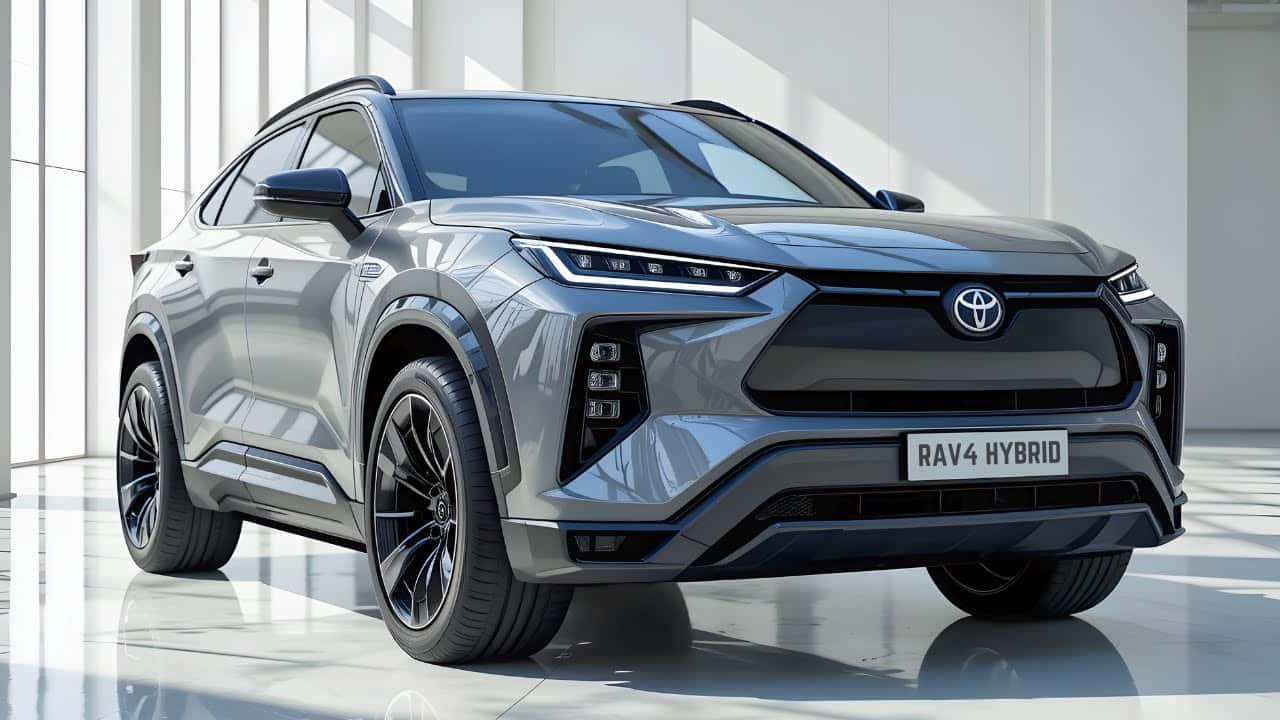
Toyota didn’t just refresh the RAV4 for 2026. It rebuilt it from the ground up, and the biggest headline is one most shoppers will notice immediately: the gas-only RAV4 is gone for good.
Every single trim, from the entry-level LE to the loaded Limited, now comes standard with a hybrid powertrain. That’s a first in the RAV4’s history, and it changes the calculus for anyone cross-shopping a new SUV in 2026.
We’ve spent time at James Hodge Toyota going through every spec sheet, trim breakdown, and early test drive note on this redesign to figure out what actually changed and whether it’s worth your money if you’re shopping in Muskogee, Fort Smith, or anywhere else in eastern Oklahoma.
Is the 2026 Toyota RAV4 Hybrid worth buying?
Yes, for most shoppers. The sixth-generation RAV4 brings more horsepower (226-236 hp, up from 219), better fuel economy (up to 47 mpg city), a new front-wheel-drive hybrid option that lowers the entry price, a completely redesigned interior with a 12.9-inch touchscreen, and Toyota Safety Sense 4.0. The starting price is $33,350, about $2,100 higher than last year, but you’re getting a hybrid standard instead of paying extra for one.
Should current RAV4 owners upgrade? Owners of 2019-2024 RAV4 Hybrids will feel the difference in power, tech, and refinement. Owners of the outgoing 2025 model with low mileage and no major complaints can reasonably wait one more cycle.
Key Takeaways
- The 2026 RAV4 drops all gas-only engines. Every trim is now a hybrid (HEV) or plug-in hybrid (PHEV).
- Horsepower jumps to 226 hp (FWD) or 236 hp (AWD), up from 219 hp across the board in 2025.
- Fuel economy improves to an EPA-estimated 44-48 mpg city depending on trim and drivetrain, versus 41 mpg city last year.
- Front-wheel drive returns as a standalone option, something the previous hybrid never offered, which helps bring the starting price down.
- The PHEV model (formerly called RAV4 Prime) is now just the RAV4 PHEV, with up to 320-324 hp and an estimated 50 miles of electric-only range.
- New tech includes a 12.3-inch digital gauge cluster on every trim, a 12.9-inch touchscreen on upper trims, the new Arene software platform, and Toyota Safety Sense 4.0.
What’s New on the 2026 Toyota RAV4 Hybrid
This is the RAV4’s sixth generation, and Toyota treated it like one. The changes go well beyond a new grille.
A Completely Hybrid Lineup
This is the change that matters most. Toyota now offers the new Toyota RAV4 exclusively with hybrid and plug-in hybrid powertrains, eliminating the conventional gas-only engine.
Why does this matter for buyers? Because in the past, choosing the hybrid meant a real price jump over the base gas model. Now, there’s no “base gas” version to compare against. Hybrid is just what a RAV4 is.
The redesign marks the first time Toyota has eliminated the traditional gas engine from the RAV4 lineup, though the vehicle still uses a 2.5-liter four-cylinder engine paired with hybrid batteries and electric motors.
More Power, Front and Back
Toyota didn’t just electrify the lineup. It tuned the new powertrains for more output across the board.
The new hybrid powertrains increase horsepower from 219 to 236 in all-wheel-drive configurations and from 203 to 226 horsepower in front-wheel-drive configurations. That’s a meaningful jump, especially for a vehicle whose 2025 version was sometimes criticized for feeling sluggish off the line.
The plug-in hybrid gets even more attention. The PHEV’s high-capacity battery and high-output charger give it an output of around 320 horsepower, with standard all-wheel drive. Some outlets list this slightly differently, with output reported as high as 324 hp, but either way, it’s a noticeable step up from the previous RAV4 Prime’s 302 hp.
Front-Wheel Drive Hybrid Is Finally Here
This might be the most practical change for budget-conscious buyers. The 2026 RAV4 starts at $33,350, with the front-wheel-drive LE coming standard with a hybrid engine producing 226 horsepower, while the all-wheel-drive variant ups that output to 236 hp; all-wheel drive remains available as a $1,400 option.
Previously, every RAV4 Hybrid came standard with AWD whether you wanted it or not. Now, FWD buyers get a lower price and a notable mpg bump, while AWD remains there for anyone who actually needs the traction, something worth thinking about if you’re driving through an eastern Oklahoma winter or regularly heading out toward rural roads near Fort Smith.
Fuel Economy Gets a Real Bump
Toyota estimates that front-wheel-drive RAV4s can achieve 48 mpg in the city, 42 mpg on the highway, and 44 mpg combined. Most all-wheel-drive RAV4s are rated to get either 44 or 45 mpg in the city, 39 mpg on the highway, and 42 mpg combined.
Compare that to the outgoing 2025 RAV4 Hybrid’s roughly 39 mpg combined rating, and you’re looking at a real, noticeable improvement in RAV4 hybrid mpg, not just a marketing number.
A New Interior and Software Platform
Every trim gets a serious tech upgrade. Toyota now equips every RAV4 with a 12.3-inch digital instrument cluster, while the XSE, Limited, and GR Sport trims get a 12.9-inch touchscreen running the new Arene software platform, paired with Toyota Safety Sense 4.0; other trims use a 10.5-inch touchscreen.
The jump from the old 7- or 8-inch screens on base trims to a standard 10.5-inch unit is significant. Toyota’s older infotainment system was a frequent complaint in reviews. Arene represents an actual generational leap, not a software patch.
A Bolder, Boxier Look
Toyota also revises the exterior with a more upright, angular design that improves aerodynamics while reinforcing traditional SUV proportions. The redesign is organized around three distinct exterior themes Toyota calls Core, Rugged, and Sport.
In plain terms: the LE, XLE, and Limited lean clean and conventional (Core). The Woodland leans outdoorsy and rugged. The SE, XSE, and new GR Sport lean sporty and aggressive.
2026 RAV4 Hybrid vs. 2025 RAV4 Hybrid: Side-by-Side
| Spec | 2025 RAV4 Hybrid | 2026 RAV4 Hybrid |
| Horsepower | 219 hp (AWD only) | 226 hp (FWD) / 236 hp (AWD) |
| Drivetrain | AWD standard | FWD standard, AWD optional ($1,400) |
| Combined MPG | ~39 mpg | 42-44 mpg (varies by trim) |
| Starting price | $32,850 | $31,900 |
| Touchscreen | 8-inch (base) | 10.5-inch (base), 12.9-inch (upper trims) |
| Safety suite | Toyota Safety Sense 2.5 | Toyota Safety Sense 4.0 |
| Software platform | Legacy Toyota infotainment | New Arene platform |
| PHEV range | 42 miles electric-only | 50 miles electric-only |
| PHEV horsepower | 302 hp | 320-324 hp |
2026 RAV4 Hybrid SUV: Trim Levels and Pricing
Toyota expanded the lineup to seven grades across three design themes. Here’s how the Toyota RAV4 Hybrid price breaks down by trim, based on FWD starting prices where available:
| Trim | Design Theme | Drivetrain | Starting Price (approx.) |
| LE | Core | FWD standard, AWD optional | $31,900 |
| SE | Sport | FWD standard, AWD optional | $34,700 |
| XLE Premium | Core | FWD standard, AWD optional | $36,100 |
| Woodland | Rugged | AWD standard | $39,900 |
| XSE | Sport | AWD standard | $41,300 |
| Limited | Core | AWD standard | $43,300 |
Note: pricing varies slightly by source and region as dealers finalize allocations, and a destination charge applies on top of these figures. PHEV pricing was announced separately and runs higher across all four of its trims (SE, XSE, Woodland, and GR Sport). For exact, up-to-date pricing on units actually arriving in Muskogee, check current RAV4 inventory or browse the RAV4 Plug-in Hybrid lineup directly.
Real-World Ownership: What to Actually Expect
Specs are one thing. Living with the vehicle is another. Here’s what the changes mean day to day.
Commuting and daily driving. The extra horsepower closes a real gap. Reviewers consistently noted the outgoing RAV4 Hybrid felt unhurried merging onto highways. With 17-23 more horsepower on tap, that hesitation should shrink, particularly on the AWD models, which matters if you’re regularly merging onto US-62 or running back and forth on the Shawnee Bypass.
Fuel costs. If you drive 12,000 miles a year and split your driving evenly between city and highway, the jump from roughly 39 mpg combined to the low-to-mid 40s could save you somewhere in the ballpark of $150-$250 a year in fuel, depending on local gas prices. Not life-changing, but it adds up over a typical 5-7 year ownership window.
Family usability. The cabin tech overhaul matters more than it sounds like on paper. A bigger, faster touchscreen and a fully digital gauge cluster make the RAV4 feel less like an appliance and more like a modern SUV, something Toyota has occasionally lagged on compared to Hyundai and Kia.
Towing. Towing capacity depends on trim: the LE, XLE Premium FWD, and SE are rated to tow 1,750 pounds, while the Woodland, XLE Premium AWD, SE AWD, XSE, and Limited can tow up to 3,500 pounds when properly equipped. If towing a small trailer or boat out to one of the area lakes matters to you, that’s a trim-selection detail worth nailing down before you sign anything.
Long-term reliability expectations. Toyota’s hybrid system has a long track record at this point, dating back to the original RAV4 Hybrid’s 2016 debut. The brand’s reputation for low-maintenance ownership and strong resale value isn’t a new claim; it’s backed by over a decade of real ownership data across millions of hybrid Toyotas on the road, and it’s part of why our own service bays stay busy with high-mileage RAV4s that are still going strong.
Hybrid Technology: What Actually Changed Under the Hood
The “hybrid” badge looks the same, but the system inside is more advanced. Toyota tuned the electric motors and battery management for quicker response and better low-speed efficiency, which is part of why both horsepower and mpg moved up at the same time, normally a tradeoff, not a joint win.
Toyota also improved the RAV4’s braking system, which now transitions more smoothly between regenerative braking and traditional friction braking, a detail that matters more than it sounds like if you’ve ever driven an older hybrid with grabby, inconsistent brake feel.
A View from the Service Bay: Why the Hybrid Shift Makes Sense
It is completely normal to feel a bit hesitant about a lineup that forces you into a hybrid powertrain. A lot of our local drivers have asked if the batteries will hold up to harsh seasonal temperature swings or if maintenance costs will skyrocket without a standard gas engine.
Here is the reality we see on the ground. Toyota’s hybrid synergy drive is arguably the most bulletproof system on the market today. We routinely see older generation RAV4 Hybrids roll through our service lanes with well over 150,000 miles on the odometer, requiring nothing more than routine brake pads, tire rotations, and oil changes. In fact, because the regenerative braking system handles so much of the stopping power, hybrid owners often go significantly longer before needing a brake job compared to traditional gas models. The 2026 redesign isn’t Toyota testing an unproven experiment on you; it is simply them making their most reliable, stress-tested technology the new standard.
Buying Considerations: Which Trim Actually Makes Sense?
If you want the best value: the LE FWD Hybrid at $33,350 gets you the new powertrain, the safety suite, and reasonable tech without paying for extras you may not use.
If you want AWD without going overboard on price: the SE or XLE Premium with AWD lands you in the high $30,000s while still keeping the price below $40,000, and AWD is a smart call if you’re regularly driving through Oklahoma’s winter ice or heavier rain.
If you do real off-roading or live somewhere with rough winters: the Woodland trim’s all-terrain tires and standard AWD justify its higher starting point.
If tech and comfort matter most: the XSE or Limited gets you the 12.9-inch screen, premium audio, and the most refined interior in the lineup.
If you want maximum efficiency and don’t mind plugging in: the PHEV’s 50-mile electric range can cover most daily commutes on electricity alone, making it the pick for buyers with a home charger and a short commute. You can browse current RAV4 Plug-in Hybrid inventory to see what’s already on the lot.
Whatever trim fits your budget, running the numbers through a payment calculator before you visit can save time once you’re ready to talk financing.
Why This Redesign Matters in Context
Toyota didn’t make this decision in a vacuum. Despite slower-than-expected adoption of fully electric vehicles, automakers have increasingly turned to hybrid models that combine electric vehicle technology with traditional combustion engines to boost performance and meet fuel economy regulations.
That’s the bigger trend the RAV4 redesign fits into. Toyota was already selling hybrid RAV4s in huge numbers before this change; more than half of recent buyers were already opting for the hybrid version. Making it standard wasn’t a leap of faith. It was Toyota following its own sales data.
The RAV4 nameplate also carries real weight in the compact SUV class. It’s been America’s best-selling SUV for years, and Toyota’s hybrid system, dating back to the late 1990s Prius and refined continuously since, is one of the most road-tested electrified powertrains in the industry. That history is worth something when you’re trying to decide if a brand-new redesign is a safe bet or a risky first-model-year gamble, and it’s the same reliability track record our service techs in Muskogee see firsthand on a daily basis.
Conclusion: Is the 2026 Toyota RAV4 Hybrid Worth the Upgrade?
For most shoppers, yes. This isn’t a cosmetic refresh dressed up as a redesign. Toyota changed the powertrain lineup, boosted output, improved fuel economy, and overhauled the interior technology in one generation. That’s a rare combination.
Who should upgrade: anyone driving a RAV4 from 2018-2023, anyone cross-shopping a new compact SUV who wants hybrid efficiency without a price penalty, and families who want more cabin tech and a roomier-feeling interior.
Who can wait: current 2025 RAV4 Hybrid owners with low mileage and no complaints. The core driving experience between the two model years isn’t a night-and-day difference, and you’d be trading a known, well-reviewed vehicle for a brand-new first-model-year redesign.
Best buyer profiles: budget-focused commuters will do well with the LE FWD. Families will likely lean toward the XLE Premium or Woodland. Tech-focused buyers and anyone wanting the most refined cabin should look at the XSE or Limited. Buyers with home charging access should seriously consider the PHEV.
The value case is straightforward: you’re no longer paying extra to get a hybrid RAV4, you’re getting more power and better mpg than before, and the technology gap that used to separate Toyota from competitors like Hyundai and Kia has mostly closed. That’s a genuinely strong case for the upgrade, even with the higher starting price.
If you’re ready to see one in person, James Hodge Toyota in Muskogee can walk you through current RAV4 inventory, financing options, and your trade-in value, all in one visit.
Frequently Asked Questions
Is the 2026 Toyota RAV4 only available as a hybrid?
Yes. Every 2026 RAV4 trim comes standard with either a hybrid or plug-in hybrid powertrain. Toyota has discontinued the gas-only engine option entirely for this generation.
How much does the 2026 Toyota RAV4 Hybrid cost?
Pricing starts at $33,350 for the front-wheel-drive LE trim. Higher trims and AWD models range up toward $44,750, with PHEV trims priced separately and higher.
What is the gas mileage on the 2026 RAV4 Hybrid?
EPA estimates run as high as 48 mpg city and 42 mpg highway on front-wheel-drive trims, with most AWD trims rated around 42-45 mpg combined depending on configuration.
Is the 2026 RAV4 Hybrid worth upgrading from a 2025 model?
If you currently drive a 2019-2023 RAV4 Hybrid, the power, fuel economy, and tech gains are substantial enough to justify a look. If you have a 2025 model with low mileage, it’s reasonable to wait, since the core hybrid experience hasn’t changed dramatically in just one year.
How much horsepower does the 2026 RAV4 Hybrid have?
The standard hybrid produces 226 horsepower in front-wheel-drive form and 236 horsepower with all-wheel drive, up from 219 horsepower across the 2025 lineup.
0 comment(s) so far on 2026 Toyota RAV4 Hybrid: What’s New and Is It Worth the Upgrade?